
Stay up to date on the latest in Insurance news.

Quick Summary Standard homeowners and commercial property insurance policies do not cover flood damage. Flood losses require a separate flood insurance policy, which may be required by lenders or strongly recommended based on location and risk. For New Jersey homeowners and landlords, flood insurance is often the difference between recovering financially and paying out of pocket after a major storm. Flooding is one of the most misunderstood — and most expensive — risks facing property owners in New Jersey. Whether you own a single-family home, a rental property, or a small commercial building, many people assume they’re covered until a claim is denied. They’re not. Mesanko Insurance is an independent insurance agency serving New Jersey, Pennsylvania, and New York , with offices in Toms River and Atlantic Highlands, NJ . With a strong focus on coastal and hard-to-place risks , Mesanko Insurance helps homeowners and landlords understand where flood exposure exists — and how to insure it properly. This guide breaks down the basics of flood insurance in New Jersey , what it covers, and why so many property owners need it even when they don’t think they do. Why Flood Insurance Is Separate From Other Policies Flood damage is excluded from: Homeowners insurance Landlord policies Commercial property insurance Flooding is defined as water coming from outside the structure , such as: Storm surge Rising groundwater Overflowing rivers or creeks Heavy rainfall pooling on the ground If water enters your building this way, only flood insurance responds — not your standard policy. Helpful references: Flood Insurance Homeowners Insurance Commercial Property Insurance NFIP vs. Private Flood Insurance: What’s the Difference? New Jersey property owners generally have two flood insurance options. National Flood Insurance Program (NFIP) The NFIP is a federal program backed by FEMA. Key features: Available in participating communities Standardized coverage limits Maximum limits for residential properties Often required by lenders in high-risk flood zones NFIP policies are common but not always the best fit — especially for higher-value homes or certain commercial properties. Private Flood Insurance Private flood insurance is offered by insurance carriers outside the NFIP. Advantages may include: Higher coverage limits Broader definitions of flood Additional coverages not available through NFIP Competitive pricing in some low- to moderate-risk areas For coastal New Jersey properties or hard-to-place risks, private flood options can sometimes offer better flexibility. An independent agency like Mesanko Insurance can compare both options and explain which makes sense for your situation. Building Coverage vs. Contents Coverage Flood insurance is typically split into two parts — and they are not automatic. Building Coverage Covers the structure and permanently installed items, such as: Foundation and walls Electrical and plumbing systems HVAC equipment Built-in cabinets and fixtures Contents Coverage Covers personal or business property inside the building, including: Furniture Electronics Clothing Inventory or equipment (for landlords and businesses) Homeowners and landlords must select limits for each . Contents coverage is especially important for tenants and rental property owners who may assume it’s included when it’s not. Waiting Periods: Don’t Wait Until the Storm Is Coming Most flood insurance policies have a waiting period before coverage takes effect. Typically: NFIP policies have a 30-day waiting period Private flood policies may offer shorter waits, depending on the carrier Flood insurance generally cannot be purchased at the last minute when a storm is already named or approaching. Common Flood Insurance Myths in New Jersey “I’m Not in a Flood Zone, So I Don’t Need Flood Insurance” False. A significant percentage of flood claims come from moderate- and low-risk zones. Heavy rain, poor drainage, and overwhelmed storm systems cause flooding far outside mapped flood zones. “My Homeowners Policy Covers Water Damage” Only some water damage is covered — like burst pipes or appliance leaks. Flooding from outside the structure is excluded. “My Lender Didn’t Require It, So I’m Fine” Lender requirements are based on minimum standards, not actual risk. Many properties flood without ever triggering a mortgage requirement. Real-World New Jersey Examples Single-family home: A coastal storm pushes water into the home from the yard and street. Homeowners insurance denies the claim. Flood insurance pays. Rental property: Groundwater floods a first-floor unit after days of rain. The landlord’s flood policy covers the building; tenants rely on their own contents coverage. Small commercial building: A storm causes water intrusion through doors and foundation walls. Commercial property insurance excludes it. Flood insurance responds. Why Flood Insurance Matters for Landlords Landlords face unique exposure because: Tenants’ renters insurance does not cover the building Lost rental income may follow flood damage Repairs can be costly and slow without proper coverage Flood insurance helps protect the structure and preserve long-term income. Why Work With an Independent Insurance Agency? Flood insurance is not one-size-fits-all. Mesanko Insurance can: Assess flood risk beyond basic zone maps Compare NFIP and private flood options Coordinate flood coverage with existing homeowners or commercial policies Help place coverage for coastal and hard-to-insure properties The Bottom Line Flood damage is excluded from standard insurance policies — and in New Jersey, flood risk extends well beyond beachfront properties. Whether you own a home, rental property, or small commercial building, flood insurance is often required or strongly recommended to avoid devastating out-of-pocket losses. Get a Flood Risk Review and Quote If you own property in New Jersey and aren’t sure whether flood insurance makes sense for you, Mesanko Insurance can help. Contact Mesanko Insurance today for a flood risk review and personalized quote — before the next storm tests your coverage.
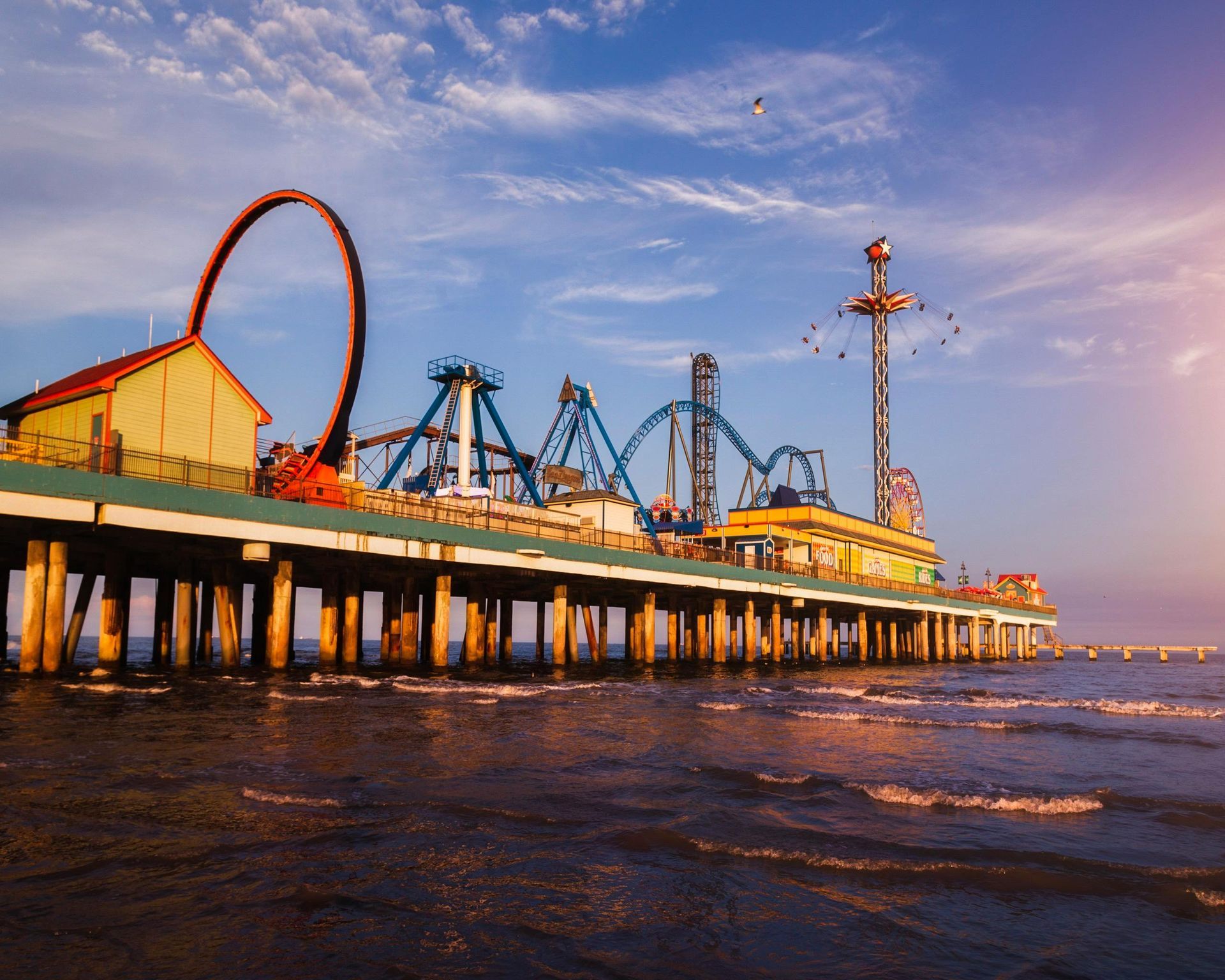
Quick Summary Seasonal and boardwalk businesses along the New Jersey Shore face a unique mix of risks: high foot traffic, weather exposure, short operating windows, and a surge of seasonal employees. Before each season, owners should review general liability, property and equipment coverage, workers’ comp, business interruption, and whether higher liability limits or umbrella insurance make sense. A preseason insurance checkup can prevent one bad incident from wiping out an entire summer. From arcades and food stands to rides, games, and retail shops, boardwalk businesses are a defining part of shore communities in Ocean County and Monmouth County . But these businesses also operate under intense pressure: long hours, crowds, salt air, storms, and a narrow window to make the year profitable. Mesanko Insurance , a multi-state independent insurance agency with deep experience in coastal and boardwalk businesses, serves New Jersey, Pennsylvania, and New York from offices in Toms River and Atlantic Highlands, NJ . They regularly help seasonal owners get properly insured before the boardwalk fills up — not after a claim shuts things down. Below is a practical insurance checklist for seasonal and boardwalk businesses to review before opening day. 1. General Liability Insurance: Non-Negotiable on the Boardwalk General liability insurance is the foundation for nearly every boardwalk operation. It helps cover: Customer slip-and-fall injuries Injuries related to rides or attractions (where applicable) Property damage to landlords or neighboring businesses Legal defense costs With heavy foot traffic in places like Seaside Heights, Point Pleasant Beach, Belmar, Asbury Park, and Long Branch , even minor incidents can turn into claims quickly. Arcades, food vendors, and ride operators are often required to carry higher liability limits due to public exposure. 👉 Learn more about specialized coverage: Amusement & Boardwalk Business Insurance 2. Commercial Property Coverage: Protecting Your Physical Space Boardwalk properties face risks that inland businesses don’t: Wind-driven rain and storms Salt air corrosion Fire risks from cooking equipment Vandalism during off-season months Commercial property insurance helps cover: The structure (if you own it) Build-outs and tenant improvements Inventory and fixtures Seasonal shutdowns make this coverage especially important — damage often happens when no one is around to catch it early. 3. Equipment Breakdown Coverage: Critical for Rides, Games, and Food Ops Many boardwalk businesses rely on specialized equipment to operate and earn revenue. Equipment breakdown coverage can help when: Arcade machines fail Ride motors or control systems break down Refrigeration units stop working Electrical systems malfunction Without this coverage, mechanical failure can mean lost income during peak season — when downtime is most expensive. 4. Business Interruption Coverage: When the Season Gets Cut Short If a covered loss forces you to close temporarily, business interruption insurance can help replace lost income and pay ongoing expenses. This is especially important for seasonal businesses because: You only have a few months to make your money Lost time often can’t be recovered later Storm-related closures are common along the shore A hurricane, fire, or major equipment failure during July or August can have a much bigger impact than the same event in January. 5. Workers’ Compensation for Seasonal Employees If you hire employees — even temporary or seasonal staff — workers’ compensation insurance is typically required in New Jersey. This applies to: Summer hires Part-time employees Weekend or event-based staff Workers’ comp helps cover: Medical expenses from job-related injuries Lost wages Employer liability protection Boardwalk jobs often involve heat, crowds, food prep, machinery, and long shifts — all of which increase injury risk. 6. Higher Liability Limits and Umbrella Insurance Boardwalk businesses often face higher lawsuit exposure due to: Large volumes of customers Family-friendly environments Alcohol sales (where applicable) Public attractions and rides An umbrella policy adds extra liability protection above your general liability and other policies. It’s a common requirement for: Ride operators Landlord agreements Municipal permits Businesses with higher-risk attractions 👉 Learn more here: Umbrella Insurance 7. Adjusting Coverage for the Seasonal Cycle One common mistake seasonal owners make is leaving coverage unchanged year-round. Smart seasonal insurance planning includes: Reviewing payroll before peak season Adjusting limits as operations scale up or down Confirming coverage during off-season closures Making sure certificates of insurance are ready for landlords and municipalities This is where an independent agency adds real value. Why Work With an Independent Agency? As an independent agency, Mesanko Insurance can: Compare multiple carriers familiar with boardwalk risks Customize coverage by business type and season Help with certificates of insurance and compliance Adjust policies as your operation changes year to year 👉 Explore broader options here: Small Business Insurance The Bottom Line Seasonal and boardwalk businesses along the New Jersey Shore operate under unique conditions — and generic insurance doesn’t cut it. Reviewing your coverage before the season starts helps protect your income, your employees, and your ability to stay open when it matters most. Schedule a Preseason Insurance Review If you own or operate a seasonal or boardwalk business in Ocean County, Monmouth County, or anywhere along the New Jersey Shore, Mesanko Insurance can help you get ready for the season with confidence. Contact Mesanko Insurance today to schedule a preseason insurance review and make sure your coverage is ready before the boardwalk fills up.

Quick Summary General liability insurance protects your business when someone is physically injured or property is damaged because of your operations. Professional liability (also called errors and omissions, or E&O) protects against financial losses caused by professional mistakes, bad advice, or failure to deliver services as promised. Many New Jersey businesses need one — and plenty need both. If you own a small business in New Jersey, liability insurance isn’t just about checking a box — it’s about protecting everything you’ve built. One slip-and-fall, one damaged client property, or one professional mistake can trigger a claim that puts real financial pressure on your business. That’s where understanding the difference between general liability and professional liability (E&O) coverage matters. Mesanko Insurance , an independent insurance agency serving New Jersey, Pennsylvania, and New York , with offices in Toms River and Atlantic Highlands, NJ , helps business owners choose the right liability coverage based on what they actually do — not just what sounds good on paper. This guide breaks it down clearly, with real-world examples. General Liability Insurance: Physical Injuries and Property Damage General liability insurance is designed to cover bodily injury, property damage, and related legal costs that arise from your business operations. What It Covers Customer or third-party injuries Damage to someone else’s property Legal defense costs Settlements and judgments Simple Examples Retailer: A customer slips on a wet floor in your store and gets injured. Contractor: You accidentally damage a homeowner’s flooring during a remodel. Landlord-facing business: A delivery cart scratches a client’s hardwood floors. General liability responds when something physical goes wrong. For many New Jersey businesses, this coverage is required to: Sign commercial leases Work with vendors or municipalities Obtain licenses or permits 👉 Learn more here: Small Business Insurance Professional Liability (E&O): Financial Loss from Professional Mistakes Professional liability insurance protects against claims that your services, advice, or professional work caused a financial loss — even if no one was injured and no property was damaged. What It Covers Errors, mistakes, or omissions Missed deadlines Negligence claims Failure to deliver services as promised Simple Examples Consultant: A strategy error leads a client to lose revenue. IT or marketing firm: A missed deadline causes a client financial harm. Professional service firm: Incorrect guidance results in costly client decisions. General liability does not cover these scenarios — E&O does. 👉 Learn more here: Professional Liability Insurance Key Differences at a Glance Coverage TypeWhat It Protects AgainstGeneral LiabilityPhysical injuries and property damageProfessional Liability (E&O)Financial loss from professional errors If the claim involves blood, broken property, or physical damage , think general liability. If the claim involves lost money, bad advice, or failure to perform , think professional liability. Which New Jersey Businesses Need Which Coverage? Businesses That Typically Need General Liability Retail stores Contractors and trades Wholesalers and distributors Businesses with physical locations or job sites Businesses That Typically Need Professional Liability Consultants and advisors IT, marketing, and creative firms Accountants, bookkeepers, and designers Engineers and other licensed professionals Businesses That Often Need Both Many businesses face both physical and professional risk. Examples: A contractor who damages property (GL) and is accused of faulty work (E&O) A retail business that also offers design or consulting services A professional firm with an office where clients visit in person In these cases, having only one policy leaves gaps. Common Contract and Client Requirements In New Jersey, contracts often specify liability coverage requirements. You may be asked to provide: Proof of general liability insurance with specific limits Professional liability coverage naming a client as certificate holder Higher limits for commercial or municipal projects Missing or incorrect coverage can cost you the job — even if you’ve never had a claim. Choosing the Right Limits (and Avoiding Gaps) Limits shouldn’t be guesswork. They should reflect: Contract requirements Client expectations Size and scope of projects Financial exposure if a claim occurs This is where working with an independent agent matters. Instead of forcing your business into a one-size-fits-all policy, Mesanko Insurance can compare carriers, structure limits correctly, and make sure coverage lines up with how you actually operate. The Bottom Line General liability and professional liability insurance protect against different kinds of risk — and confusing the two can leave your business exposed. Physical accidents and property damage require general liability. Financial loss from professional mistakes requires E&O. Many New Jersey small businesses need both to be truly protected. Review Your Liability Coverage Today If you’re not sure whether your current policy covers everything it should, Mesanko Insurance can help. Contact Mesanko Insurance to review your liability protection, identify coverage gaps, and build a smarter insurance setup that supports your business — not just your paperwork.

Quick Summary In New Jersey, most businesses with employees are legally required to carry workers’ compensation insurance. This coverage pays for medical bills, lost wages, and related costs when an employee is injured or becomes ill because of their job. Failing to carry workers’ comp can lead to steep fines, stop-work orders, and even criminal penalties — making compliance essential for small business owners. If you own a small business in New Jersey, workers’ compensation insurance isn’t just another line item — it’s a legal requirement and a critical layer of protection for both you and your employees. Mesanko Insurance , a multi-state independent insurance agency serving New Jersey, Pennsylvania, and New York , with offices in Toms River and Atlantic Highlands, NJ , works closely with business owners to make sure workers’ comp coverage is set up correctly from day one. Below is a clear, practical breakdown of workers’ compensation insurance requirements for New Jersey small businesses , how it works, and what you need to know to stay compliant. Who Is Required to Carry Workers’ Compensation in New Jersey? Under New Jersey law, almost every employer with at least one employee must carry workers’ compensation insurance. This includes: Full-time employees Part-time employees Seasonal employees Family members on payroll Many working owners and officers (depending on structure) Even if you only have one employee , you are generally required to have a policy in place. Common Business Examples Retail store: Required once you hire your first cashier or stock associate Restaurant: Required for servers, kitchen staff, and managers Contractor: Required for field employees and laborers Professional office: Required for administrative and support staff Sole proprietors with no employees may not be required, but many still choose coverage to protect themselves — especially in higher-risk industries. 👉 Learn more here: Workers Compensation Insurance What Does Workers’ Compensation Insurance Cover? Workers’ comp is designed to protect both employees and employers after a work-related injury or illness. It typically covers: Medical treatment and hospital bills Lost wages while an employee is unable to work Rehabilitation and therapy Disability benefits Death benefits for surviving family members In exchange, employees generally give up the right to sue their employer for workplace injuries, which helps limit liability exposure for the business. What Happens If You Don’t Have Workers’ Comp? New Jersey takes workers’ compensation compliance seriously. Consequences of not carrying coverage can include: Fines of up to $5,000 per day Stop-work orders Civil lawsuits Criminal charges in extreme cases Many businesses discover this only after an injury occurs — when it’s already too late. How Workers’ Comp Premiums Are Calculated Workers’ compensation premiums are not one-size-fits-all. They’re based on several factors: 1. Employee Classification Codes Each job role is assigned a classification code based on risk level. Examples: Retail cashier: lower risk Office admin: low risk Plumber or electrician: higher risk Roofer or demolition: very high risk Correct classification is critical — misclassifying employees can lead to audits, back premiums, and penalties. 2. Payroll Amount Premiums are largely based on payroll per $100, multiplied by the rate for each classification. Higher payroll = higher premium. 3. Claims History Businesses with frequent or severe claims may pay more over time. Maintaining safety practices can help control costs. How Workers’ Comp Audits Work in New Jersey Most workers’ compensation policies are subject to annual audits. During an audit, the carrier reviews: Actual payroll vs. estimated payroll Job duties and classifications Use of subcontractors Certificates of insurance If payroll or classifications were underestimated, you may owe additional premium. If they were overestimated, you may receive a refund. This is one area where having an experienced independent agency matters — mistakes here can get expensive. Industry-Specific Examples Retailers: Slip-and-fall injuries, stocking accidents Restaurants: Burns, cuts, repetitive motion injuries Contractors: Falls, tool injuries, lifting injuries Professional Offices: Ergonomic injuries, slips, and trips Even “low-risk” offices are not exempt from claims. Why Work With an Independent Insurance Agency? As an independent agency, Mesanko Insurance can: Help determine if workers’ comp is required for your business Ensure employees are classified correctly Shop multiple carriers for competitive rates Assist with audits and claims support Coordinate workers’ comp with your broader business coverage 👉 Explore full coverage options here: Small Business Insurance The Bottom Line If you have employees in New Jersey, workers’ compensation insurance is almost certainly required. It protects your workers, shields your business from lawsuits, and keeps you compliant with state law. Getting it wrong can cost far more than the policy itself. Schedule a Workers’ Comp Review or Quote If you’re a New Jersey business owner and want to make sure your workers’ compensation coverage is set up correctly, Mesanko Insurance can help. Schedule a workers’ comp review or request a quote today to protect your employees — and your business — with confidence.

Quick Summary If you’re a contractor or tradesperson in New Jersey, insurance isn’t optional — it’s what protects you from job-site injuries, property damage claims, and lost income, and it’s often required to stay licensed and get hired. General liability, workers’ compensation, commercial auto, and tools coverage form the core of a solid setup. The right coverage also makes it easier to provide certificates of insurance and win better jobs. Running a contracting business in New Jersey means managing risk every day. Job sites are unpredictable, injuries happen fast, and one accident can put your license, finances, or reputation on the line. That’s why working with an independent agency like Mesanko Insurance matters. Mesanko Insurance serves businesses across New Jersey, Pennsylvania, and New York , with local offices in Toms River and Atlantic Highlands, NJ , and helps contractors build coverage that actually fits how they work. Below is a practical breakdown of the core insurance coverages New Jersey contractors and tradespeople need — and why each one matters. General Liability Insurance: Your Foundation General liability insurance is the starting point for almost every contractor. It helps cover: Property damage you cause on a job site Bodily injury to a third party (clients, bystanders) Legal defense and settlements Example: A general contractor accidentally damages a homeowner’s flooring during a remodel. Or an electrician leaves a ladder unsecured and a visitor gets hurt. General liability helps cover the claim. In New Jersey, general liability is often required to: Maintain contractor registration Pull permits Get approved by general contractors or property managers 👉 Learn more: Contractors Insurance Workers’ Compensation Insurance: Often Mandatory in NJ In New Jersey, workers’ compensation insurance is required as soon as you have employees — including part-time and, in many cases, family members. Workers’ comp covers: Medical bills for job-related injuries Lost wages Employer liability protection NJ-specific reality: Even one injured employee without workers’ comp can trigger fines, stop-work orders, and lawsuits. Trade example: An HVAC technician falls from a ladder while installing ductwork. Workers’ comp pays medical costs and wage replacement, protecting both the worker and the business. 👉 Learn more: Workers Compensation Insurance Commercial Auto Insurance: Personal Policies Aren’t Enough If you use a vehicle for business — hauling tools, materials, or employees — personal auto insurance usually won’t cover claims. Commercial auto insurance covers: Business-owned trucks and vans Liability for accidents while working Physical damage to vehicles Example: A plumber rear-ends another car while driving to a job in Ocean or Monmouth County. A personal auto policy may deny the claim. Commercial auto steps in. Tools and Equipment Coverage: Protect What You Rely On Your tools are your livelihood. Tools and equipment coverage (often called inland marine coverage) protects against: Theft from job sites or vehicles Vandalism Fire or accidental damage Example: A remodeler’s tools are stolen overnight from a locked van. Without tools coverage, replacing them comes straight out of pocket. This coverage is especially important for: Electricians Plumbers HVAC contractors Specialty trades with expensive gear Why Proper Coverage Helps You Win Jobs Insurance isn’t just about protection — it’s also about credibility. Having the right coverage allows you to: Quickly issue certificates of insurance (COIs) Meet contract and subcontractor requirements Work with municipalities, GCs, and commercial clients Avoid project delays Many contractors lose work simply because they can’t produce the right certificates fast enough. Trade-Specific Coverage Examples General Contractors: General liability, workers’ comp, commercial auto, tools coverage Electricians: General liability, tools coverage, workers’ comp, professional considerations Plumbers: General liability for water damage claims, commercial auto, tools coverage HVAC Contractors: Workers’ comp for high-risk installs, equipment coverage, auto insurance Remodelers: Liability for property damage, tools coverage, workers’ comp Work With an Independent Agency That Understands Contractors As an independent agency, Mesanko Insurance can: Compare multiple carriers for contractor-friendly pricing Customize coverage by trade and job type Help with certificates of insurance and compliance Adjust coverage as your business grows 👉 Explore options here: Small Business Insurance The Bottom Line New Jersey contractors face real risk — physically, financially, and legally. General liability, workers’ compensation, commercial auto, and tools coverage aren’t extras; they’re essential. Proper insurance keeps you compliant, protects your income, and helps you secure better jobs with confidence. Get a Customized Contractor Insurance Package If you’re a contractor or tradesperson in New Jersey, Pennsylvania, or New York, Mesanko Insurance can build a tailored insurance package for your business and handle your certificate needs quickly. Contact Mesanko Insurance today for a customized quote and job-ready coverage.

Quick Summary A landlord’s insurance policy only covers the building itself — not your belongings, your liability, or your temporary living expenses if something goes wrong. Renters insurance is what protects you as the tenant, covering your personal property, personal liability, and additional living costs after a covered loss. In New Jersey, renters insurance is affordable, often required by leases, and one of the smartest protections renters can carry. If you rent an apartment, condo, or house in New Jersey, there’s a common — and costly — misconception: “My landlord’s insurance will cover me if something happens.” It won’t. Mesanko Insurance , a multi-state independent insurance agency serving New Jersey, Pennsylvania, and New York with offices in Toms River and Atlantic Highlands, NJ , regularly helps renters who learn this the hard way. This guide explains exactly what renters insurance covers in New Jersey, why your landlord’s policy isn’t enough, and how to protect yourself without overspending. What a Landlord’s Insurance Policy Actually Covers Your landlord’s policy is designed to protect their property, not your life inside it. Typically, it covers: The building structure Shared areas (hallways, roofs, stairwells) The landlord’s liability as a property owner It does not cover: Your furniture, clothing, or electronics Your liability if someone is injured in your unit Your living expenses if your apartment becomes uninhabitable That’s where renters insurance comes in. What Renters Insurance Covers in New Jersey A standard New Jersey renters insurance policy includes three core protections. 1. Personal Property Coverage This covers your belongings if they’re damaged or stolen due to a covered event. Common examples: A kitchen fire damages your cabinets, couch, and TV Theft from your apartment or car Water damage from a burst pipe or upstairs neighbor’s leak Covered items typically include: Furniture and electronics Clothing and personal items Kitchenware and small appliances Even modest apartments can easily contain tens of thousands of dollars’ worth of belongings — far more than most renters realize. 👉 Learn more here: Renters Insurance 2. Personal Liability Coverage Liability coverage protects you if someone is injured or their property is damaged because of you. Examples: A guest slips and falls in your apartment You accidentally cause a fire that damages neighboring units Your dog bites someone (breed and carrier rules apply) Without renters insurance, you’re personally responsible — and medical or legal costs can add up fast. 3. Loss-of-Use (Additional Living Expenses) If a covered loss forces you out of your apartment temporarily, loss-of-use coverage helps pay for: Hotel stays Temporary rentals Extra food expenses For example, if a fire or major water damage makes your unit unlivable, renters insurance helps keep you housed while repairs are made. Common Scenarios New Jersey Renters Face Apartment fire in Ocean or Monmouth County: The landlord’s insurance repairs the building. Renters insurance replaces your belongings and covers temporary housing. Theft in a multi-unit building: The landlord’s policy doesn’t replace stolen items. Renters insurance does. Water damage from an upstairs unit: The building may be repaired by the landlord’s policy, but your damaged furniture, rugs, and electronics require renters insurance. Is Renters Insurance Required in New Jersey? Renters insurance is not required by state law, but many New Jersey landlords now require it in the lease. Common lease requirements include: Proof of renters insurance Minimum liability limits (often $100,000 or $300,000) Listing the landlord as an interested party Even when it’s not required, it’s strongly recommended. How Affordable Is Renters Insurance? Renters insurance is one of the most affordable policies available. In many cases: Monthly cost is less than a streaming subscription Coverage far exceeds the cost Discounts may apply when bundled with auto insurance If you already have a car, bundling renters and auto insurance can reduce both premiums. Helpful link: Auto Insurance Why Work With an Independent Insurance Agency? As an independent agency, Mesanko Insurance can: Compare renters policies from multiple carriers Customize coverage limits to your lifestyle Bundle renters, auto, and other personal policies for savings 👉 Explore full coverage options here: Personal Insurance The Bottom Line Your landlord’s insurance protects their investment. Renters insurance protects your belongings, your liability, and your financial stability. In New Jersey, it’s affordable, often required, and absolutely worth it. Get a Quick Quote or Policy Review Whether you’re renting your first apartment or renewing a lease, Mesanko Insurance can help you get the right renters coverage fast — without overpaying. Request a quick quote or policy review today and make sure you’re actually protected.

Quick Summary New Jersey drivers can still save on car insurance in 2026 by focusing on five proven strategies: bundling policies, maintaining a clean driving record, choosing the right deductibles, shopping multiple carriers, and taking advantage of every available discount. Because NJ has higher-than-average rates and unique coverage requirements, smart policy design matters just as much as price. This guide breaks down practical, NJ-specific ways to lower your premium without cutting corners. Auto insurance in New Jersey isn’t cheap — and in 2026, many drivers are still feeling the pressure from rising repair costs, higher medical payouts, and denser traffic. That’s exactly why working with an independent agency like Mesanko Insurance , serving New Jersey, Pennsylvania, and New York with offices in Toms River and Atlantic Highlands, NJ , can make a real difference. Instead of guessing, you get strategy. Below are the top 5 ways New Jersey drivers can save on car insurance in 2026 , without sacrificing coverage. Why Car Insurance Costs More in New Jersey Before diving into savings, it helps to understand why NJ rates often run higher than the national average: Mandatory PIP (Personal Injury Protection) drives up baseline costs Dense population and traffic increase accident frequency High medical and legal costs raise claim severity Uninsured and underinsured drivers add risk for insurers New Jersey also requires specific coverages that many other states don’t, which means cutting coverage blindly can backfire fast. 👉 Learn more about coverage basics here: Auto Insurance 1. Bundle Your Auto Policy With Home or Renters Insurance Bundling is still one of the biggest and easiest savings opportunities in 2026. If you combine your auto policy with: Homeowners insurance Renters insurance Or both auto + home + umbrella You can often unlock multi-policy discounts that significantly reduce your total premium. This works especially well for NJ homeowners and renters who are currently insured with different companies. Helpful links: Homeowners Insurance Renters Insurance 2. Use an Independent Agency to Shop Multiple Carriers One of the biggest mistakes NJ drivers make is sticking with the same carrier year after year without checking alternatives. Mesanko Insurance is an independent insurance agency , which means they: Compare multiple insurance companies at once Match you with carriers that fit your driving profile Re-shop policies as rates and underwriting rules change In a state like New Jersey, where pricing varies widely by carrier, this alone can lead to meaningful savings. 👉 See all coverage options here: Personal Insurance 3. Adjust Your Deductibles Strategically Raising your comprehensive and collision deductibles can lower your premium — but it needs to be done thoughtfully. Actionable tips: Choose a deductible you can comfortably afford in an emergency Avoid ultra-low deductibles that inflate premiums over time Balance deductible changes with your driving habits and vehicle value For newer vehicles, pairing a higher deductible with strong liability and uninsured motorist coverage often makes more financial sense in NJ. 4. Keep Your Driving Record (and Credit) Clean In New Jersey, your driving history heavily impacts your rate. To protect your premium: Avoid tickets and at-fault accidents whenever possible Take defensive driving courses if eligible Monitor your insurance score and credit health Many NJ carriers still factor credit-based insurance scores into pricing, so improving credit can indirectly reduce auto premiums in 2026. 5. Make Sure You’re Getting Every Discount You Qualify For Discounts change by carrier — and many drivers don’t realize what they qualify for. Common NJ auto insurance discounts include: Safe driver or accident-free discounts Multi-vehicle discounts Low-mileage or usage-based programs Good student discounts Vehicle safety and anti-theft features An independent agent can audit your policy to make sure nothing is being missed. Don’t Cut Coverage Just to Save Money Because of New Jersey’s legal environment and medical costs, underinsuring can be far more expensive than paying a slightly higher premium. Smart savings focus on: Proper liability limits Strong uninsured/underinsured motorist coverage Right-sized deductibles Discounts and carrier selection The goal is better coverage for the price — not less protection . Ready to Lower Your NJ Auto Insurance Costs? If you live in New Jersey and want to reduce your car insurance costs in 2026 without exposing yourself to unnecessary risk, it’s time for a fresh look. Mesanko Insurance can compare carriers, optimize coverage, and find real savings based on how you drive and where you live. Request a New Jersey auto insurance quote today and see what smarter coverage can look like.
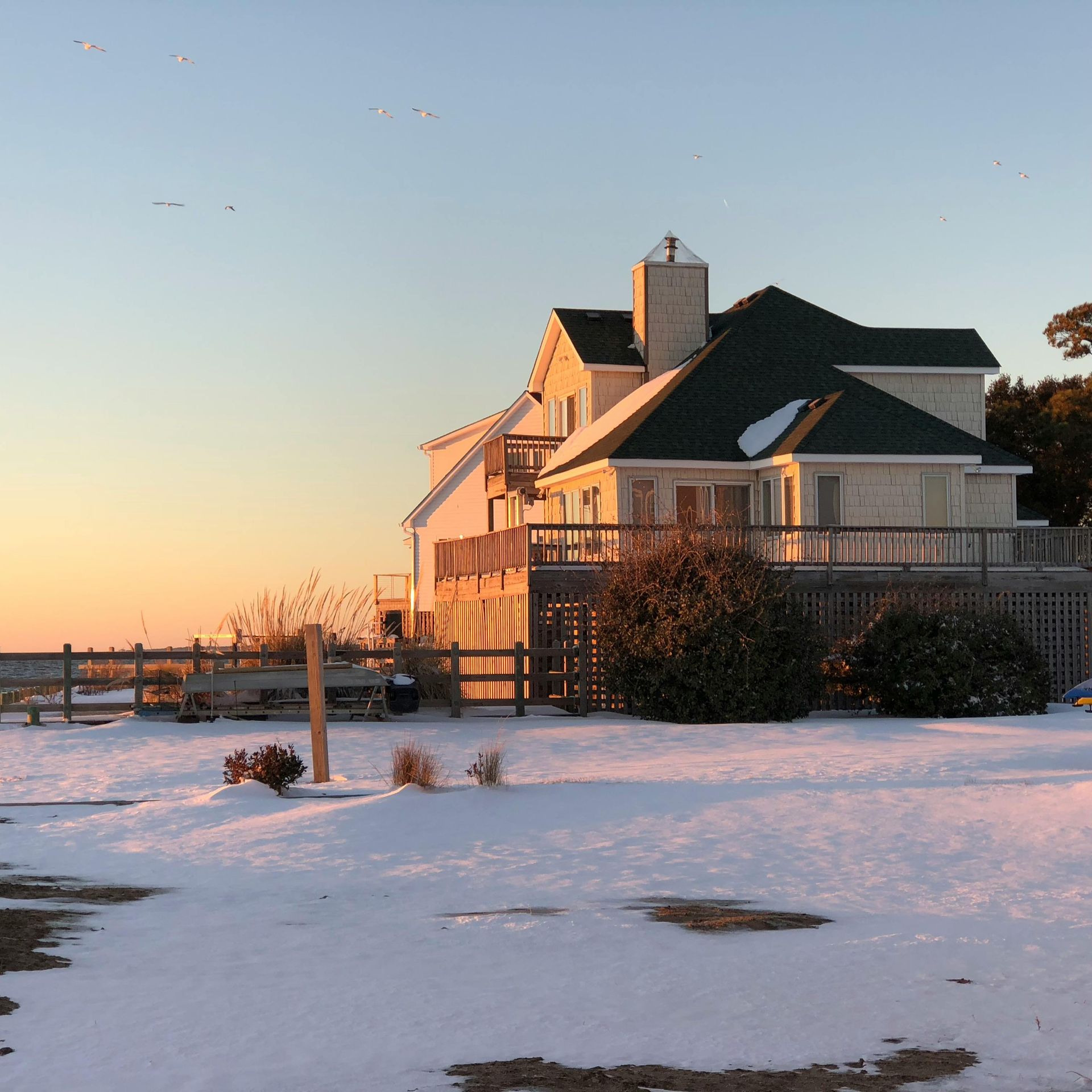
Quick Summary Coastal homes along the New Jersey Shore face higher risks from wind, hurricanes, storm surge, and flooding than inland properties. Because of that exposure, shore homeowners need to review more than just a basic policy — dwelling limits, wind deductibles, flood coverage, and liability all matter. This checklist breaks down what to review so your insurance actually matches the realities of coastal living in Ocean County and Monmouth County. Owning a home near the water in New Jersey is a privilege — and an insurance challenge. Between nor’easters, hurricane season, aging infrastructure, and rising flood risk, coastal homeowners need to be proactive, not reactive. Mesanko Insurance, a multi-state independent insurance agency serving New Jersey, Pennsylvania, and New York , with offices in Toms River and Atlantic Highlands, NJ , works with many shore homeowners who assume they’re covered — until they’re not. Use this practical checklist to pressure-test your coverage before the next storm hits. 1. Review Your Dwelling Coverage (Replacement Cost Matters) Your dwelling coverage should reflect the true cost to rebuild your home today, not what you paid for it or what it’s worth on the market. For coastal homes in places like Point Pleasant Beach, Seaside Heights, Long Branch, or Sea Bright , rebuild costs are often higher due to: Stricter coastal building codes Elevated foundations and pilings Specialized materials and labor If your policy hasn’t been updated in a few years, there’s a real risk you’re underinsured. 👉 Learn more about coverage basics here: Homeowners Insurance 2. Understand Wind and Hurricane Deductibles Many shore homeowners are surprised to learn they have separate wind or hurricane deductibles — often calculated as a percentage of the dwelling limit, not a flat dollar amount. Example: A 2% hurricane deductible on a $600,000 home = $12,000 out of pocket before insurance pays anything. This is especially common in Ocean County and Monmouth County shore towns , where wind exposure is higher. Checklist item: Confirm whether you have a wind or hurricane deductible Understand when it applies and how much it really costs 3. Flood Insurance Is Not Optional at the Shore Standard homeowners insurance does not cover flood damage — period. That includes storm surge, rising water, and coastal flooding. Flood insurance is critical whether your home is: In a FEMA-designated flood zone Outside a mapped zone but near the coast A primary residence or a seasonal shore home Homes in towns like Lavallette, Mantoloking, Belmar, or Manasquan are especially exposed, but inland flooding can affect areas well beyond the beachfront. 👉 Learn more here: Flood Insurance 4. Create (and Update) a Personal Property Inventory Storm damage doesn’t just affect the structure — it destroys everything inside it. A personal property inventory helps you: Verify coverage limits Speed up claims Prove what you owned and its value For shore homes, pay special attention to: Furniture and electronics stored on lower levels Seasonal items (beach gear, bikes, grills) High-value items that may need separate scheduling Photos, videos, and cloud storage go a long way here. 5. Check Coverage for Secondary or Seasonal Use Many coastal properties in Ocean County and Monmouth County are seasonal or secondary homes, which can impact: Eligibility with certain carriers Coverage terms Vacancy exclusions If your shore home sits empty part of the year, make sure your policy is structured correctly — assumptions can cause denied claims. 6. Consider Umbrella Liability Coverage Coastal properties often carry higher liability risk: Guests and renters Slips, falls, and dock-related injuries Short-term or seasonal occupancy An umbrella policy adds an extra layer of protection above your homeowners and auto policies — often for a surprisingly low cost. This is especially smart if: You host frequently You rent the property (even occasionally) You have significant assets to protect 7. Work With a Local, Independent Agency Coastal insurance isn’t one-size-fits-all. An independent agency like Mesanko Insurance can compare multiple carriers and help structure coverage specifically for shore exposure — not just plug your address into a generic policy. Final Takeaway If you own a coastal home along the New Jersey Shore, your insurance needs to reflect reality — not assumptions. Wind, flooding, higher rebuild costs, and liability exposure all demand a closer look, especially in Ocean County and Monmouth County. Now is the time to review, adjust, and strengthen your coverage — before the next storm tests it. Schedule a Coastal Home Insurance Review Mesanko Insurance helps shore homeowners make sense of complex coverage and avoid costly gaps. Schedule a coastal home insurance review today to get a personalized assessment and quote tailored to your property, location, and risk profile.

Quick Summary: Homeowners insurance usually covers sudden and accidental water damage — like from a burst pipe or storm-driven wind forcing rain inside your home. It typically does not cover damage from floods, sewer backups, or long-term leaks and mold caused by neglected maintenance. New Jersey homeowners often need separate Flood Insurance and optional sewer/drain backup endorsements to be fully protected. Water damage claims are among the most common for homeowners — especially in states like New Jersey that see heavy storms, coastal surge, high humidity, and aging infrastructure. If you’re in New Jersey, Pennsylvania, or New York and shopping or reviewing coverage, Mesanko Insurance, an independent agency with offices in Toms River and Atlantic Highlands, NJ , can help you understand what your policy does and doesn’t cover — and what extra options make sense for your home. What Standard Homeowners Insurance Covers Most standard homeowners insurance policies (HO-3 forms, the most common) include coverage for sudden and accidental water damage, such as: A burst pipe in winter that floods your living room Overflow from an appliance (e.g., washing machine hose failure) Rain driven inside by a storm through a broken window Water damage from firefighting efforts In these cases, your policy should help pay to repair structural damage and replace damaged personal property, after your deductible. 👉 Curious what a standard policy looks like? Learn more at Mesanko Insurance – Homeowners Insurance → https://www.mesanko.com/homeowners-insurance . What Isn’t Covered: Common Exclusions 1. Flooding from Outside If water enters your home from rising rivers, coastal surge, or surface water, that’s not covered under a standard homeowners policy anywhere — including New Jersey shore towns like Seaside Heights or inland river valleys. This includes storm surge from hurricanes or nor’easters, even if there’s no official flood zone designation. You need a separate Flood Insurance policy through the NFIP or private market. 👉 Learn about flood coverage options at Mesanko Insurance – Flood Insurance → https://www.mesanko.com/flood-insurance . 2. Sewer, Sump, and Drain Backups If a sewer or septic line backs up and floods your basement, standard coverage typically excludes it. Most carriers will require a sewer backup endorsement (sometimes called “water backup” or “sewer & drain backup” coverage). This is especially important for older homes in towns where heavy rain can overwhelm systems. Example: After a heavy coastal storm, an inland New Jersey home’s sump pump fails and sewage backs into the basement — without the endorsement, the damage is not covered. 3. Gradual Leaks & Maintenance Issues Insurance isn’t meant to replace wear and tear: Slow leaks from a slow water heater drip over months Mold from unresolved humidity Rot from lack of maintenance These are considered preventable and won’t be covered. 4. Mold from Excluded Causes Mold from long-term leaks or neglect is excluded. However, if mold results directly from a covered peril (like a burst pipe), many policies will cover the mold remediation up to certain limits. Optional Endorsements You Should Consider Sewer & Drain Backup Coverage Especially for New Jersey homeowners with basements, low lots, or older sewer lines, adding sewer backup coverage is usually inexpensive and can prevent large out-of-pocket costs. Increased Limits for Water Removal & Mold Some endorsements boost the amount your policy will pay for: Water extraction Drying Remediation Mold cleanup (when related to a covered peril) Service Line Protection Covers breaks in utility lines you’re responsible for (water, sewer, power) — common in older communities. Examples for New Jersey Homes Coastal Cape May Home: A nor’easter drives rain and wind through a broken patio door. Standard coverage will apply — but if surge pushes water up from the ground, only flood insurance will cover that loss. Toms River Basement Flood: Heavy thunderstorms overload township sewers, backing up sewage into the basement. Standard policy = no coverage. With sewer backup endorsement = claim can be paid. Inland Somerset County House: A winter freeze bursts a line behind a wall. The sudden break is covered, but the resulting mold from days of unaddressed moisture may only be covered up to policy limits or with an added endorsement. Bottom Line Standard homeowners insurance will protect you from many sudden water perils, but It does not cover flooding from outside, sewer backups, or gradual leaks. Separate or expanded coverage (like Flood Insurance and sewer backup endorsements) is often essential in New Jersey’s varied climate and infrastructure enviro nments. Ready for Peace of Mind? Water damage can be expensive and stressful — but the right coverage saves you money and worry. Contact Mesanko Insurance for a personalized review of your policy, a clear explanation of your water-related risks, and a quote tailored to your New Jersey home. Request your coverage review today and make sure you’re protected where it matters most.