
Coastal Home Insurance Checklist for NJ Shore Homeowners (Ocean & Monmouth County)

Quick Summary

Coastal homes along the New Jersey Shore face higher risks from wind, hurricanes, storm surge, and flooding than inland properties. Because of that exposure, shore homeowners need to review more than just a basic policy — dwelling limits, wind deductibles, flood coverage, and liability all matter. This checklist breaks down what to review so your insurance actually matches the realities of coastal living in Ocean County and Monmouth County.


Owning a home near the water in New Jersey is a privilege — and an insurance challenge. Between nor’easters, hurricane season, aging infrastructure, and rising flood risk, coastal homeowners need to be proactive, not reactive. Mesanko Insurance, a multi-state independent insurance agency serving New Jersey, Pennsylvania, and New York, with offices in Toms River and Atlantic Highlands, NJ, works with many shore homeowners who assume they’re covered — until they’re not.

Use this practical checklist to pressure-test your coverage before the next storm hits.


1. Review Your Dwelling Coverage (Replacement Cost Matters)

Your dwelling coverage should reflect the true cost to rebuild your home today, not what you paid for it or what it’s worth on the market.

For coastal homes in places like Point Pleasant Beach, Seaside Heights, Long Branch, or Sea Bright, rebuild costs are often higher due to:

  • Stricter coastal building codes
  • Elevated foundations and pilings
  • Specialized materials and labor

If your policy hasn’t been updated in a few years, there’s a real risk you’re underinsured.


👉 Learn more about coverage basics here:
Homeowners Insurance


2. Understand Wind and Hurricane Deductibles

Many shore homeowners are surprised to learn they have separate wind or hurricane deductibles — often calculated as a percentage of the dwelling limit, not a flat dollar amount.

Example:
A 2% hurricane deductible on a $600,000 home =
$12,000 out of pocket before insurance pays anything.

This is especially common in Ocean County and Monmouth County shore towns, where wind exposure is higher.

Checklist item:

  • Confirm whether you have a wind or hurricane deductible
  • Understand when it applies and how much it really costs


3. Flood Insurance Is Not Optional at the Shore

Standard homeowners insurance does not cover flood damage — period. That includes storm surge, rising water, and coastal flooding.

Flood insurance is critical whether your home is:

  • In a FEMA-designated flood zone
  • Outside a mapped zone but near the coast
  • A primary residence or a seasonal shore home

Homes in towns like Lavallette, Mantoloking, Belmar, or Manasquan are especially exposed, but inland flooding can affect areas well beyond the beachfront.

👉 Learn more here:
Flood Insurance


4. Create (and Update) a Personal Property Inventory

Storm damage doesn’t just affect the structure — it destroys everything inside it.

A personal property inventory helps you:

  • Verify coverage limits
  • Speed up claims
  • Prove what you owned and its value

For shore homes, pay special attention to:

  • Furniture and electronics stored on lower levels
  • Seasonal items (beach gear, bikes, grills)
  • High-value items that may need separate scheduling

Photos, videos, and cloud storage go a long way here.


5. Check Coverage for Secondary or Seasonal Use

Many coastal properties in Ocean County and Monmouth County are seasonal or secondary homes, which can impact:

  • Eligibility with certain carriers
  • Coverage terms
  • Vacancy exclusions

If your shore home sits empty part of the year, make sure your policy is structured correctly — assumptions can cause denied claims.


6. Consider Umbrella Liability Coverage

Coastal properties often carry higher liability risk:

  • Guests and renters
  • Slips, falls, and dock-related injuries
  • Short-term or seasonal occupancy

An umbrella policy adds an extra layer of protection above your homeowners and auto policies — often for a surprisingly low cost.

This is especially smart if:

  • You host frequently
  • You rent the property (even occasionally)
  • You have significant assets to protect


7. Work With a Local, Independent Agency

Coastal insurance isn’t one-size-fits-all. An independent agency like Mesanko Insurance can compare multiple carriers and help structure coverage specifically for shore exposure — not just plug your address into a generic policy.


Final Takeaway

If you own a coastal home along the New Jersey Shore, your insurance needs to reflect reality — not assumptions. Wind, flooding, higher rebuild costs, and liability exposure all demand a closer look, especially in Ocean County and Monmouth County.

Now is the time to review, adjust, and strengthen your coverage — before the next storm tests it.


Schedule a Coastal Home Insurance Review

Mesanko Insurance helps shore homeowners make sense of complex coverage and avoid costly gaps. Schedule a coastal home insurance review today to get a personalized assessment and quote tailored to your property, location, and risk profile.
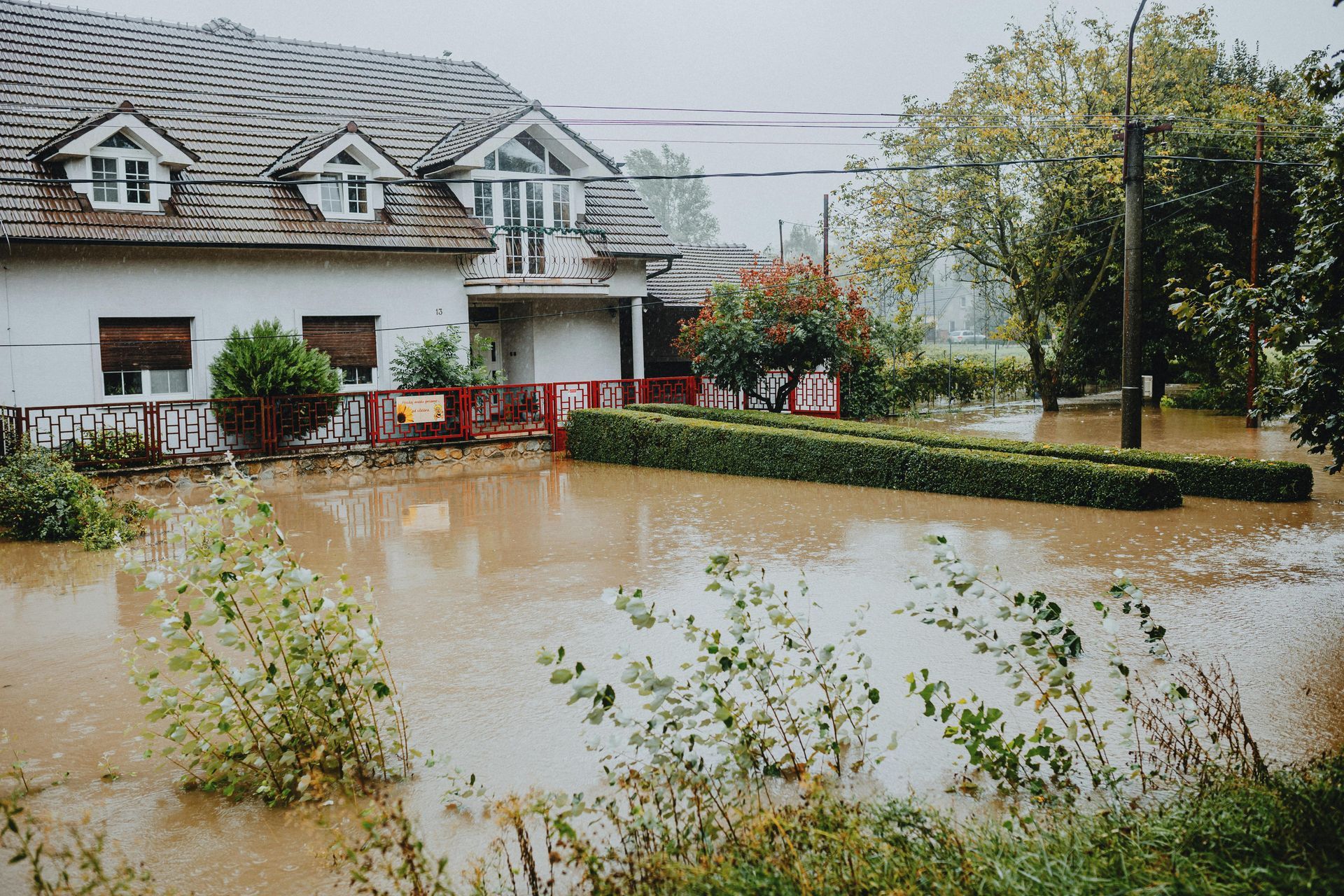

January 6, 2026
Quick Summary: Homeowners insurance usually covers sudden and accidental water damage — like from a burst pipe or storm-driven wind forcing rain inside your home. It typically does not cover damage from floods, sewer backups, or long-term leaks and mold caused by neglected maintenance. New Jersey homeowners often need separate Flood Insurance and optional sewer/drain backup endorsements to be fully protected. Water damage claims are among the most common for homeowners — especially in states like New Jersey that see heavy storms, coastal surge, high humidity, and aging infrastructure. If you’re in New Jersey, Pennsylvania, or New York and shopping or reviewing coverage, Mesanko Insurance, an independent agency with offices in Toms River and Atlantic Highlands, NJ , can help you understand what your policy does and doesn’t cover — and what extra options make sense for your home. What Standard Homeowners Insurance Covers Most standard homeowners insurance policies (HO-3 forms, the most common) include coverage for sudden and accidental water damage, such as: A burst pipe in winter that floods your living room Overflow from an appliance (e.g., washing machine hose failure) Rain driven inside by a storm through a broken window Water damage from firefighting efforts In these cases, your policy should help pay to repair structural damage and replace damaged personal property, after your deductible. 👉 Curious what a standard policy looks like? Learn more at Mesanko Insurance – Homeowners Insurance → https://www.mesanko.com/homeowners-insurance . What Isn’t Covered: Common Exclusions 1. Flooding from Outside If water enters your home from rising rivers, coastal surge, or surface water, that’s not covered under a standard homeowners policy anywhere — including New Jersey shore towns like Seaside Heights or inland river valleys. This includes storm surge from hurricanes or nor’easters, even if there’s no official flood zone designation. You need a separate Flood Insurance policy through the NFIP or private market. 👉 Learn about flood coverage options at Mesanko Insurance – Flood Insurance → https://www.mesanko.com/flood-insurance . 2. Sewer, Sump, and Drain Backups If a sewer or septic line backs up and floods your basement, standard coverage typically excludes it. Most carriers will require a sewer backup endorsement (sometimes called “water backup” or “sewer & drain backup” coverage). This is especially important for older homes in towns where heavy rain can overwhelm systems. Example: After a heavy coastal storm, an inland New Jersey home’s sump pump fails and sewage backs into the basement — without the endorsement, the damage is not covered. 3. Gradual Leaks & Maintenance Issues Insurance isn’t meant to replace wear and tear: Slow leaks from a slow water heater drip over months Mold from unresolved humidity Rot from lack of maintenance These are considered preventable and won’t be covered. 4. Mold from Excluded Causes Mold from long-term leaks or neglect is excluded. However, if mold results directly from a covered peril (like a burst pipe), many policies will cover the mold remediation up to certain limits. Optional Endorsements You Should Consider Sewer & Drain Backup Coverage Especially for New Jersey homeowners with basements, low lots, or older sewer lines, adding sewer backup coverage is usually inexpensive and can prevent large out-of-pocket costs. Increased Limits for Water Removal & Mold Some endorsements boost the amount your policy will pay for: Water extraction Drying Remediation Mold cleanup (when related to a covered peril) Service Line Protection Covers breaks in utility lines you’re responsible for (water, sewer, power) — common in older communities. Examples for New Jersey Homes Coastal Cape May Home: A nor’easter drives rain and wind through a broken patio door. Standard coverage will apply — but if surge pushes water up from the ground, only flood insurance will cover that loss. Toms River Basement Flood: Heavy thunderstorms overload township sewers, backing up sewage into the basement. Standard policy = no coverage. With sewer backup endorsement = claim can be paid. Inland Somerset County House: A winter freeze bursts a line behind a wall. The sudden break is covered, but the resulting mold from days of unaddressed moisture may only be covered up to policy limits or with an added endorsement. Bottom Line Standard homeowners insurance will protect you from many sudden water perils, but It does not cover flooding from outside, sewer backups, or gradual leaks. Separate or expanded coverage (like Flood Insurance and sewer backup endorsements) is often essential in New Jersey’s varied climate and infrastructure enviro nments.  Ready for Peace of Mind? Water damage can be expensive and stressful — but the right coverage saves you money and worry. Contact Mesanko Insurance for a personalized review of your policy, a clear explanation of your water-related risks, and a quote tailored to your New Jersey home. Request your coverage review today and make sure you’re protected where it matters most.